
What to Look for in a Fenced Yard When Renting a Pet-Friendly Duplex
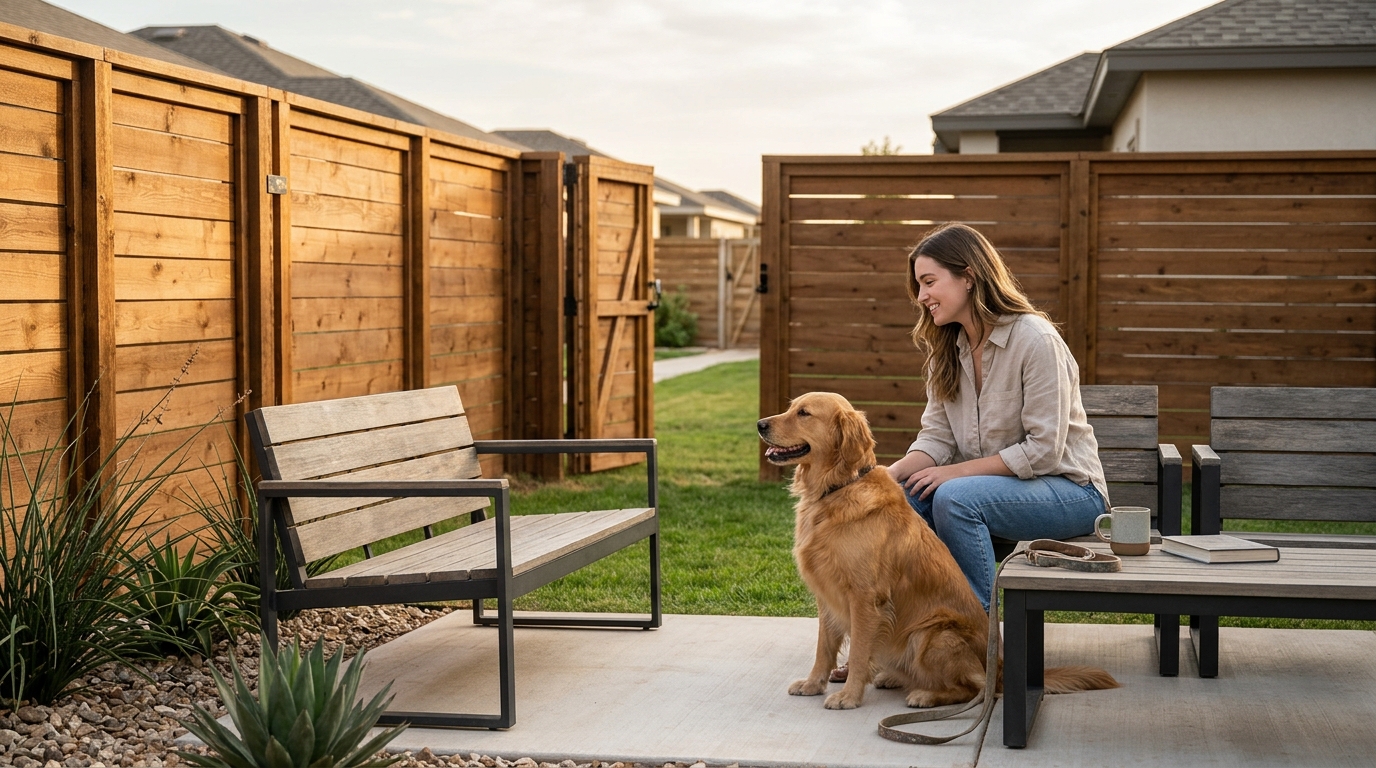
When renting a pet-friendly duplex in Lubbock, a fenced yard is not just a convenience; it is a critical safety and security feature. You must inspect the fence height, gate latches, and structural integrity to ensure your pet cannot escape. Meridian Property Management LLC helps residents in Lubbock and Wolfforth find secure, pet-friendly homes that meet these specific safety standards.
Assessing Fence Height and Structural Integrity
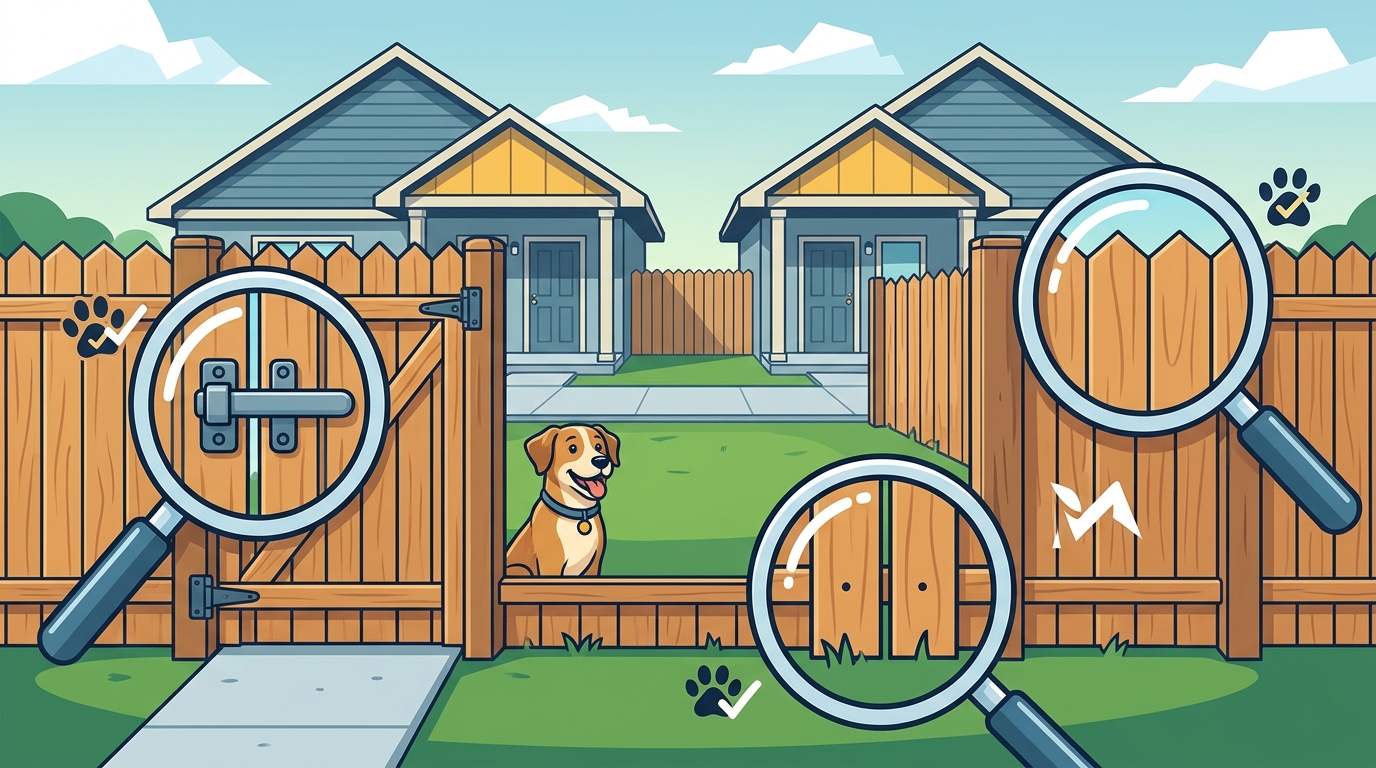
The first thing you should look for is the height of the fence relative to your pet's size and jumping ability. A standard residential fence is often six feet high, but this may not be sufficient for large or athletic dogs. You should measure the distance from the ground to the top of the fence and consider if your pet can jump or climb. Structural integrity is equally important; a fence that is leaning, has loose posts, or shows signs of rot is a liability. If the fence is made of wood, check for splinters or gaps between the pickets that a small dog or cat might squeeze through. A sturdy, well-maintained fence is the foundation of a safe outdoor space for your animal. For additional details, review the About Us Meridian Property.
Gate Security and Latch Mechanisms
Gates are the most common point of failure in any fenced yard. You must inspect the latch mechanism to ensure it is secure and cannot be easily opened by a curious pet. Many standard latches can be pushed open by a dog's nose or paw, so look for a self-latching gate or one that requires a deliberate action to open. If the gate is a sliding type, check that it closes fully and that there are no gaps at the bottom. A secure gate is essential because it is the primary entry and exit point for both you and your pet. If the existing gate is inadequate, ask the property manager if it can be upgraded or if there are specific rules regarding gate usage.
Ground Surface and Drainage Considerations
The surface of the yard affects both your pet's comfort and the health of the fence. In Lubbock's climate, drainage is a significant factor. If the yard has poor drainage, standing water can accumulate, leading to mud, mosquito breeding, and potential damage to the fence posts. Look for a yard with good slope away from the house and fence to prevent water pooling. The ground surface should be free of sharp objects, exposed roots, or toxic plants. If the yard is mostly dirt, consider how it will handle heavy rain. A well-drained yard is easier to maintain and safer for your pet to run and play in.
Visibility and Privacy Features
Consider the type of fencing material and how it affects visibility and privacy. Chain-link fences offer high visibility, allowing you to monitor your pet easily, but they provide little privacy. Wood or vinyl fences offer more privacy but can block your view of your pet. If you have a dog that is easily distracted by passersby or other animals, a solid fence might be better to reduce anxiety. However, if you have a cat, a chain-link fence might be a climbing hazard unless it is treated with a deterrent. The choice of material should align with your pet's behavior and your preference for monitoring. A balance between visibility and privacy is ideal for most pet owners.
Key Takeaways
- Measure the fence height to ensure it is adequate for your pet's size and jumping ability.
- Inspect gate latches to confirm they are secure and cannot be opened by a pet.
- Check the structural integrity of the fence for loose posts, rot, or gaps.
- Assess the yard's drainage to prevent standing water and mud.
- Choose a fence material that balances visibility for monitoring with privacy for your pet.
- Verify that the ground surface is safe and free of hazards or toxic plants.
Frequently Asked Questions
What is the minimum fence height for a large dog?
There is no universal minimum, but a six-foot fence is standard. For large or athletic dogs, you may need a fence that is seven or eight feet high, or one with a top extension to prevent jumping.
How do I check if a gate latch is secure?
Try to open the gate using only your nose or paw, simulating a dog's movement. If it opens easily, it is not secure. Look for a latch that requires a deliberate push or pull to open.
Is chain-link fencing safe for cats?
Chain-link fencing can be a climbing hazard for cats. If you have a cat, look for a solid fence or a chain-link fence with a top extension or deterrent to prevent climbing.
What should I do if the fence has gaps?
If the fence has gaps that your pet could squeeze through, ask the property manager if they can be repaired. Do not move in until the gaps are closed if you have a small pet.
How does drainage affect the fence?
Poor drainage can lead to standing water, which can rot wood fence posts and create a muddy, unsafe environment for your pet. Ensure the yard slopes away from the fence to prevent water pooling.
Conclusion
Choosing the right fenced yard is a critical step in finding a safe home for your pet. By carefully inspecting the fence height, gate security, and ground conditions, you can ensure that your pet is protected and comfortable. Meridian Property Management LLC offers a wide range of pet-friendly properties in Lubbock and Wolfforth, including duplexes with secure, private yards. To find a home that meets your specific pet safety needs, view our current availability or for a personalized tour.