
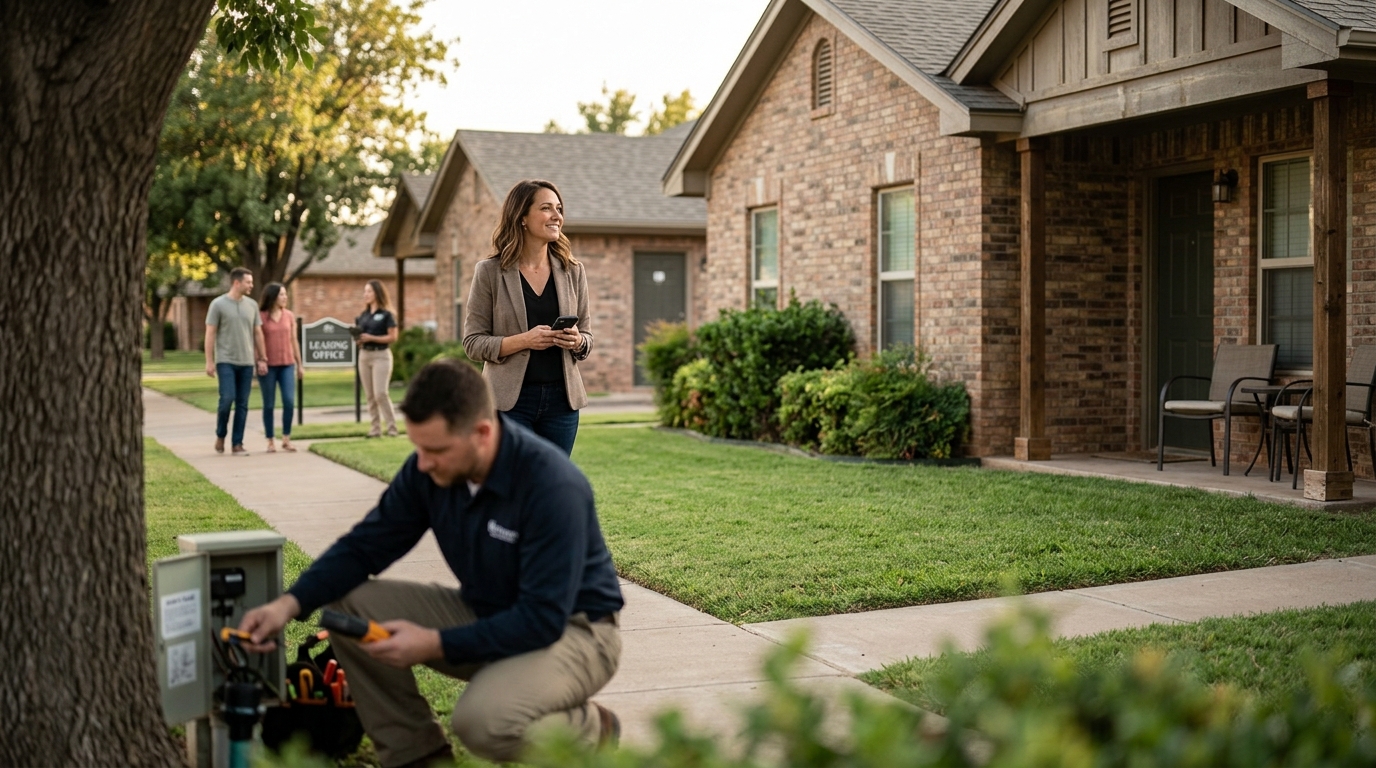
How to Solve Property Maintenance and Tenant Screening for Small Landlords in Texas
Managing rental properties in Texas presents a unique set of operational challenges that go far beyond simple rent collection. For small landlords, the combination of extreme weather events and strict state-specific landlord-tenant laws creates a high-risk environment where proactive management is not optional. According to recent industry data, properties managed by professional firms experience significantly lower vacancy rates and faster resolution times for critical repairs compared to self-managed units. This guide details the exact frameworks needed to protect your asset and secure reliable income. (About Us Meridian Property)
Understanding Texas Landlord-Tenant Law
Before addressing maintenance or screening, you must understand the legal framework governing your relationship with tenants. Texas operates under the Texas Property Code, which provides landlords with more flexibility than many other states but also imposes strict procedural requirements. One critical definition is that landlord-tenant law is the legal framework governing the rights and responsibilities of property owners and occupants. Ignorance of these statutes can lead to costly lawsuits or the invalidation of lease terms. (Meridian Property Management Lubbock)
For instance, Texas law requires landlords to return security deposits within 30 days after a tenant surrenders the premises, provided the tenant has given a written forwarding address. This timeline is non-negotiable for most standard leases. Furthermore, while Texas does not require landlords to provide air conditioning in most cases, if it is included in the lease, it must be maintained in working order. This is particularly relevant in regions like Lubbock, where summer temperatures regularly exceed 100°F. A failure to maintain HVAC systems during these months can be construed as a constructive eviction, allowing tenants to break their lease without penalty. Understanding these nuances is the first step in mitigating legal risk.
Mastering Tenant Screening in the Lone Star State
Tenant screening is your primary defense against property damage and non-payment. In a competitive market, it is tempting to lower standards to fill vacancies quickly, but this is a costly mistake. Effective screening involves a multi-layered approach that verifies income, credit history, and rental background. A formal definition of this process is that tenant screening is the systematic evaluation of a prospective renter's financial and behavioral history to predict their reliability as a tenant.
Income Verification and Credit Checks
Standard industry practice dictates that a tenant's gross monthly income should be at least three times the monthly rent. In Texas, where rental markets can fluctuate based on local employment hubs like Texas Tech University, this ratio helps ensure stability. Credit checks should not be viewed as a simple pass/fail metric but as a tool to understand financial behavior. Look for patterns of late payments, high debt-to-income ratios, or recent bankruptcies. However, be aware that Texas law allows landlords to set their own credit score minimums, provided they are applied consistently to all applicants to avoid discrimination claims.
Rental History and Eviction Records
Contacting previous landlords is often the most revealing part of the screening process. Many applicants present a polished facade, but former landlords can confirm whether rent was paid on time and if the property was maintained. Additionally, checking eviction records is crucial. While a past eviction does not automatically disqualify a candidate, it warrants a deeper conversation. Did the tenant resolve the issue? Was it a one-time event due to a job loss, or a pattern of behavior? Understanding the context helps you make a nuanced decision rather than a blanket rejection.

Climate-Proofing Your Maintenance Strategy
Maintenance in Texas is not just about repairs; it is about prevention against extreme weather. Lubbock and surrounding areas experience high winds, hail, and intense heat. These factors accelerate wear and tear on roofing, HVAC systems, and plumbing. A key definition here is that preventive maintenance is the scheduled inspection and servicing of property components to prevent failure before it occurs. This approach saves money and reduces tenant frustration.
HVAC and Roof Inspections
Given that Lubbock hits 100°F multiple times during the summer, HVAC systems are the most critical component of tenant satisfaction. Annual inspections before the cooling season are essential. This includes changing filters, checking refrigerant levels, and cleaning coils. Similarly, roof inspections after winter storms can identify hail damage that might lead to leaks. Addressing minor roof issues early prevents water damage to insulation and drywall, which are far more expensive to repair. According to industry reports, proactive HVAC maintenance can extend the lifespan of the unit by several years, reducing long-term capital expenditures.
Plumbing and Winterization
While Texas winters are generally mild, occasional freezes can burst pipes, causing significant damage. Landlords should advise tenants on how to prevent frozen pipes, such as keeping cabinet doors open and maintaining a minimum thermostat setting. For vacant properties, shutting off the main water supply and draining the lines is a critical step. This simple action can prevent thousands of dollars in water damage and mold remediation costs. Understanding the local climate patterns allows you to anticipate these needs rather than reacting to emergencies.
Building a Reliable Vendor Network
No landlord can fix everything themselves. Building a network of trusted vendors is essential for efficient property management. This involves finding licensed plumbers, electricians, HVAC technicians, and handymen who respond quickly and charge fair rates. A formal definition of this network is that vendor management is the strategic selection and oversight of service providers to ensure quality and cost-effectiveness.
Pre-Qualifying Contractors
Do not wait for an emergency to find a contractor. Pre-qualify vendors by checking their licenses, insurance, and references. Ask for their availability for emergency calls and their typical response times. Establishing relationships with multiple vendors for each trade ensures you have options if one is unavailable. Additionally, negotiate rates where possible. Many contractors offer discounts for repeat business or for landlords who pay promptly. This network becomes your lifeline when a tenant reports a leak at midnight or an AC failure during a heatwave.
Managing Maintenance Requests
Efficient maintenance management requires clear communication channels. Tenants should know how to submit requests, whether through an online portal or a dedicated email address. Responses should be prompt, even if the repair cannot be completed immediately. Providing a timeline for the repair sets expectations and reduces anxiety. For urgent issues, such as water leaks or HVAC failures, a 24-hour response time is standard in professional property management. This level of responsiveness builds trust and encourages lease renewals.
Leveraging Technology for Efficiency
Technology streamlines both screening and maintenance processes. Online portals allow tenants to pay rent, submit maintenance requests, and access lease documents digitally. This reduces administrative overhead and ensures a paper trail for all transactions. For screening, automated background check services can provide comprehensive reports in minutes, speeding up the leasing process. A definition of this integration is that property management technology is the use of software platforms to automate administrative, financial, and operational tasks.
Automated Rent Collection
Automated rent collection reduces late payments and simplifies accounting. Tenants can set up recurring payments, and landlords receive funds directly into their bank accounts. This system also provides automatic reminders for late payments, which can be sent without the landlord needing to make personal calls. This detachment helps maintain a professional relationship and reduces emotional friction.
Digital Lease Management
Digital leases ensure that all parties have access to the current terms of the agreement. E-signature platforms make it easy to execute leases remotely, which is particularly useful for out-of-town landlords. These platforms also store copies of the lease, addendums, and inspection reports in a secure cloud location. This accessibility is crucial during disputes or when preparing for tax season. Having all documents in one place saves time and reduces the risk of losing critical information.
Key Takeaways
- Legal Compliance: Texas Property Code mandates a 30-day window for security deposit returns after surrender of premises.
- Screening Standards: Income should be at least 3x the rent to ensure financial stability for the tenant.
- HVAC Criticality: In Lubbock, maintaining air conditioning is not just a comfort issue but a legal and safety necessity during summer.
- Vendor Network: Pre-qualify multiple contractors for each trade to ensure rapid response during emergencies.
- Preventive Maintenance: Annual HVAC and roof inspections prevent costly emergency repairs and extend asset life.
- Technology Integration: Online portals streamline rent collection and maintenance requests, reducing administrative burden.
- Professional Management: Properties managed by firms like Meridian Property Management often see higher tenant retention and lower vacancy rates.
Frequently Asked Questions
What is the legal timeframe for returning a security deposit in Texas?
Texas law requires landlords to return security deposits within 30 days after the tenant surrenders the premises and provides a forwarding address. Failure to do so can result in penalties.
How do I screen tenants effectively in Texas?
Effective screening involves checking credit history, verifying income (typically 3x rent), contacting previous landlords, and reviewing eviction records. Consistency in applying these criteria is key to avoiding discrimination claims.
Why is HVAC maintenance so critical in Lubbock?
Lubbock experiences extreme summer heat, often exceeding 100°F. A non-functional AC unit can lead to tenant discomfort, health risks, and potential lease breaks. Regular maintenance ensures reliability during peak demand.
Can I require renters insurance?
Yes, landlords in Texas can require tenants to carry renters insurance. This protects the tenant's personal property and provides liability coverage, reducing the landlord's risk in case of accidents within the unit.
What should I do if a tenant reports an emergency maintenance issue?
Respond immediately with a plan of action. For issues like water leaks or HVAC failure, dispatch a pre-qualified vendor within 24 hours. Communicate clearly with the tenant about the timeline and next steps.
How does Texas Tech University affect the rental market?
Texas Tech's large student population creates a high demand for housing near campus. This influences rental pricing, lease terms (often academic year-based), and the need for properties that appeal to students or their parents.
What is the benefit of using a property management company?
Professional management companies handle tenant screening, maintenance coordination, legal compliance, and financial reporting. This saves landlords time and reduces the risk of costly errors, particularly for out-of-town owners.
Ready to Optimize Your Rental Property Management?
Managing rental properties in Texas requires expertise in legal compliance, climate-specific maintenance, and rigorous tenant screening. If you are looking for a partner who understands the nuances of the Lubbock and Wolfforth markets, Meridian Property Management is here to help. We provide comprehensive services that protect your investment and maximize your returns. Contact us today to learn more about our property management services and how we can support your portfolio.