

How to Solve Property Maintenance and Tenant Screening for Small Landlords in Texas
Property management in Texas is not merely about collecting rent. It is a high-stakes operational discipline that balances aggressive market demands with strict legal compliance. For small landlords, the margin for error is slim. A single maintenance failure during a Lubbock summer can lead to costly repairs, while a poor tenant screening decision can result in months of vacancy and legal fees. According to recent industry data, professional management firms reduce average vacancy periods by up to 30% compared to self-managed properties. This guide provides the definitive framework for solving these two critical challenges. (Contact Meridian Property Management)
Understanding the Texas Landlord Landscape
Small landlords in Texas operate in a unique ecosystem. Unlike many other states, Texas has no statewide rent control, giving landlords significant flexibility in pricing. However, this freedom comes with a heavy burden of responsibility regarding property upkeep and tenant rights. The market is heavily influenced by local demographics, particularly in university towns like Lubbock, where Texas Tech University drives a significant portion of rental demand.
Texas Tech enrolled 42,455 students as of fall 2025, making it the sixth-largest university in Texas. This demographic creates a cyclical rental market with intense peaks and valleys. Landlords must understand that their property is not just a home; it is a financial asset that requires active stewardship. Neglecting either maintenance or screening can erode the property's value and your return on investment.
For those seeking to understand the operational scope of professional management, Meridian Property Management offers comprehensive services that cover every aspect of this lifecycle. From initial marketing to final accounting, the goal is to protect your asset while maximizing cash flow.
Mastering Tenant Screening in the Lone Star State
Tenant screening is the first line of defense in property management. It is not enough to simply check a credit score. You must build a holistic profile of the applicant to predict their behavior as a tenant. Effective screening reduces the risk of late payments, property damage, and costly evictions.
The Three Pillars of Screening
Income Verification is the most critical component. A standard rule of thumb is that gross monthly income should be at least three times the monthly rent. This ensures the tenant has sufficient funds for rent, utilities, and other living expenses. In markets like Wolfforth, where housing demand is high, verifying income becomes even more important to prevent over-leveraged tenants.
Credit History Analysis goes beyond the score. Look for patterns of late payments, high debt-to-income ratios, and recent bankruptcies. A low score is not an automatic disqualifier, but it requires deeper investigation. For example, a recent medical emergency might explain a temporary dip in credit, whereas a pattern of unpaid utility bills suggests a higher risk of future rent default.
Rental History Verification involves contacting previous landlords. Ask specific questions about lease violations, noise complaints, and the condition of the property upon move-out. Many landlords hesitate to provide detailed feedback due to fear of litigation, but a professional management company can often navigate these conversations more effectively.
Legal Requirements for Screening in Texas
Texas law imposes specific requirements on how you conduct screenings. You must obtain written consent from the applicant before running a background check. Additionally, if you deny an application based on the screening results, you are required by federal law to provide an adverse action notice. This notice must include the name of the reporting agency and information on how to dispute the findings.
For more insights on tenant resources and rights, visit the Resident Resources page. Understanding these legal boundaries protects you from potential lawsuits and ensures a fair housing process.
Proactive Maintenance Strategies for Extreme Climates
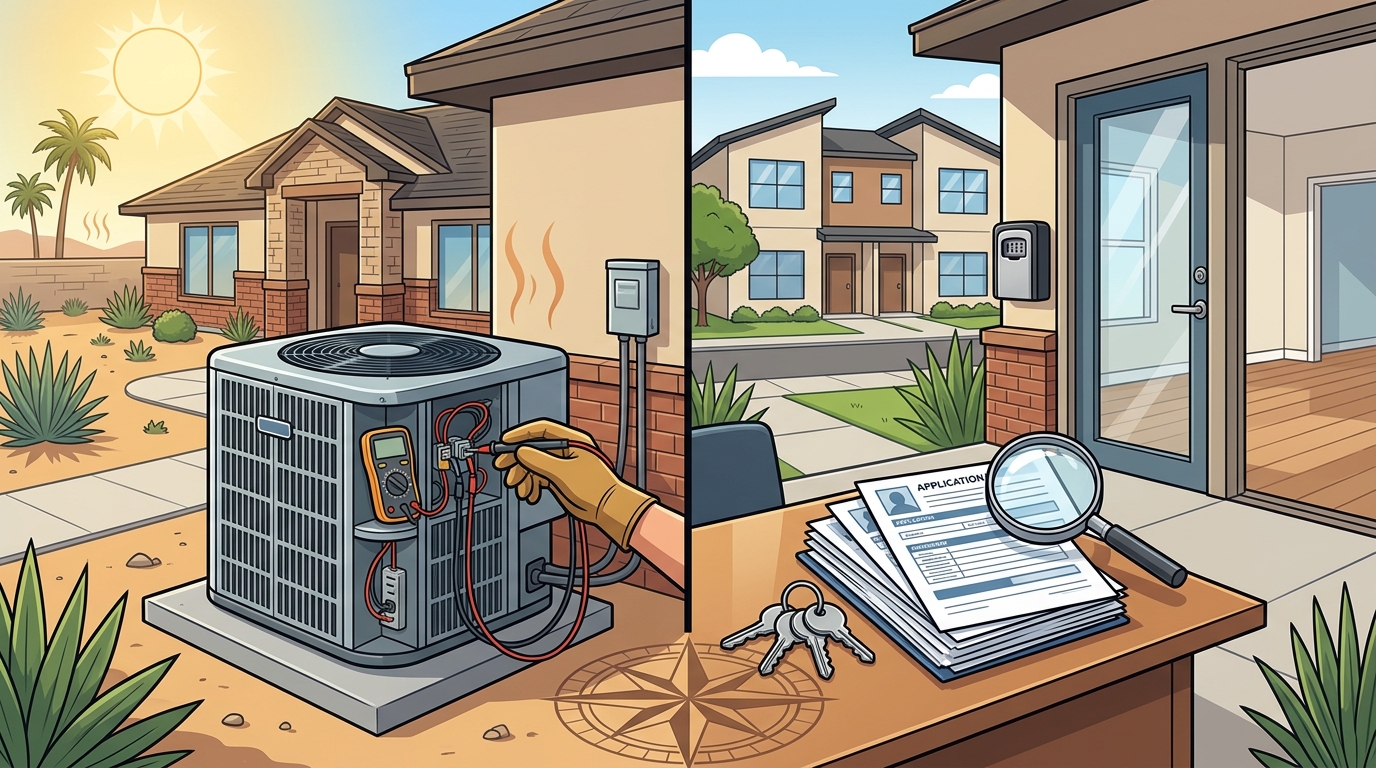
Maintenance in Texas is not a reactive task; it is a proactive strategy. The climate, particularly in West Texas, poses unique challenges. Lubbock summers are brutal, with temperatures frequently exceeding 100°F. This heat puts immense strain on HVAC systems, roofs, and plumbing.
The Summer HVAC Crisis
According to Watt Owl's March 2026 data, July averages around 1,362 kWh of electricity use per home in the region, roughly 36% above the annual average. A tenant with an aging or poorly maintained AC unit will face exorbitant utility bills, leading to frustration and potential lease disputes. Regular HVAC maintenance is not optional; it is essential.
Landlords should schedule bi-annual HVAC inspections. In the spring, ensure the system is cleaned and charged before the summer heat hits. In the fall, check for wear and tear that could lead to winter failures. For properties managed by Meridian Property Management, this proactive approach is standard practice, ensuring that tenants stay comfortable and landlords avoid emergency repair costs.
Roof and Exterior Inspections
West Texas is prone to hailstorms. These events can cause significant damage to roofs, siding, and windows. Annual roof inspections are crucial to identify loose shingles or compromised seals before they lead to interior water damage. Water damage is one of the most expensive and time-consuming repairs a landlord can face.
Additionally, landscaping plays a role in maintenance. Overgrown trees can damage roofs and foundations. Regular trimming and root management protect the structural integrity of the property. For a detailed look at how we handle these tasks, review our Move Out and maintenance protocols.
Legal Compliance and Eviction Protocols
Texas landlord-tenant law is landlord-friendly, but it is not without rules. Understanding the legal framework is essential for solving maintenance and screening issues. One of the most common challenges is handling late rent or lease violations.
The Notice to Vacate
If a tenant fails to pay rent, Texas law requires a written notice to vacate. For non-payment of rent, this notice typically gives the tenant three days to pay or leave. However, the specific requirements can vary based on the lease terms and local ordinances. It is critical to serve this notice correctly, either by personal delivery or certified mail.
For security deposit returns, Texas law requires landlords to return the deposit within 30 days after the tenant surrenders the premises. If deductions are made for damages, an itemized list must be provided. Failure to comply can result in penalties of up to three times the wrongfully withheld amount plus attorney fees.
For more information on the legal aspects of moving out and deposit returns, see our guide on Move Out Procedures. Navigating these legal waters requires precision and documentation.
Eviction Process
If the notice to vacate is ignored, the next step is filing an eviction lawsuit, known as a forcible detainer action in Texas. This process must be handled through the local justice of the peace court. While the process is relatively fast compared to other states, it still requires time and legal knowledge. Many small landlords find that the cost of legal counsel outweighs the potential recovery, making prevention through screening and maintenance even more valuable.
When to Hire Professional Management
Small landlords often ask when it is time to hand over the keys. The decision usually comes down to time, expertise, and distance. If you live out of state, managing maintenance and tenant issues remotely is incredibly difficult. The stress of coordinating repairs and handling emergencies can quickly outweigh the benefits of self-management.
The Value of Local Expertise
Professional property managers bring local market knowledge that is invaluable. They know the best contractors for repairs, the current rental rates for similar properties, and the nuances of local tenant laws. For example, understanding the impact of Texas Tech's enrollment numbers on rental demand can help you time your leasing strategy for maximum occupancy.
Meridian Property Management has been serving Lubbock and Wolfforth for over a decade. Our team, led by Carol and her dedicated staff, has built a reputation for excellence in handling difficult tenant situations and maintaining properties to the highest standards. We provide a comprehensive suite of services, including advertising, marketing, showing, touring, leasing, make readies, maintenance, and accounting.
Cost vs. Benefit Analysis
While professional management comes with a fee, typically around 8-10% of the monthly rent, the return on investment is often significant. Reduced vacancy periods, lower maintenance costs through preventive care, and avoidance of legal pitfalls can easily offset the management fee. For a detailed breakdown of our services, visit our Management Services page.
Key Takeaways
- Screening is Critical: Verify income, credit, and rental history to prevent future issues. Income should be at least 3x the rent.
- Maintenance is Proactive: Regular HVAC and roof inspections are essential in Texas's extreme climate to avoid costly emergency repairs.
- Legal Compliance: Follow Texas laws for notices, deposits, and evictions to avoid penalties and lawsuits.
- Local Knowledge Matters: Understanding local demographics, such as the impact of Texas Tech University, helps in pricing and leasing strategies.
- Professional Management Offers ROI: Reduced vacancy and professional handling of issues often justify the management fee.
- Documentation is Key: Keep detailed records of all communications, inspections, and repairs.
- Communication Builds Trust: Responsive communication with tenants leads to longer tenancies and better property care.
Frequently Asked Questions
What is the standard security deposit return timeline in Texas?
Texas law requires landlords to return the security deposit within 30 days after the tenant surrenders the premises and provides a forwarding address. If deductions are made, an itemized list must be provided.
How do I handle a tenant who refuses to leave after a notice to vacate?
If a tenant refuses to leave, you must file a forcible detainer action in the local justice of the peace court. Do not attempt to remove the tenant yourself, as this is illegal and can result in liability for the landlord.
What is the best time to list a rental property in Lubbock?
The best time to list a rental property is typically between Memorial Day and the end of July. This is the peak moving season, driven by the academic calendar and summer weather, leading to faster leasing.
Does landlord insurance cover tenant damages?
No, landlord insurance covers the building structure and liability. It does not cover the tenant's personal property. Tenants are required to carry renters insurance to cover their belongings and liability.
How can I reduce HVAC costs for my tenants?
Regular maintenance, such as changing filters and annual inspections, ensures the system runs efficiently. Additionally, installing programmable thermostats can help tenants manage usage and reduce bills.
What are the income requirements for tenants in Texas?
While there is no legal minimum, most professional managers require gross monthly income to be at least three times the monthly rent to ensure financial stability.
Why is Wolfforth a strong rental market?
Wolfforth is one of the strongest rental markets near Lubbock due to its proximity to major employers, good schools, and newer housing stock that appeals to families and professionals.
Ready to Optimize Your Rental Property?
Solving property maintenance and tenant screening challenges requires expertise, time, and local knowledge. If you are a small landlord in Lubbock or Wolfforth, partnering with a professional management company can provide peace of mind and maximize your investment returns. Meridian Property Management offers personalized service tailored to your needs. Contact us today to learn more about our property management services and how we can help you succeed.